
Generate the asset alongside the code.
Codex moves fast on features. Pica gives the same agent the verbs to ship the visual that goes with them, in the same workspace, against the same registry, with the same two commands.
Two commands inside the project Codex already knows.
Install pica on the same machine you run Codex on. Bun is provisioned automatically when missing.
Run inside the Codex project root. The skill writes to .agents/skills/pica.pica/ — Codex reads it on the next invocation.
Resume the session. Codex sees pica as a callable verb and reaches for it whenever the task needs an asset.
Asset generation as another tool call.
Codex already runs commands, edits files, and compiles. Pica shows up as one more verb at the same level.
- Generate while you ship
- Codex finishes a frontend task and renders the matching hero image in the same turn. The asset lands in /public, ready to import.
- Stay in the project
- Pica scopes outputs to the active project. Codex doesn't need to remember keys, paths, or upload semantics — pica handles it.
- Reach the full registry
- Image, video, audio. Anything in the pica model registry is callable as a single command. Discover with pica model search, never hardcode IDs.
- Reproducible by default
- Every generation writes to ConvexFS with the prompt, model, and seed attached. Codex can re-derive the asset later from history alone.
Three moments Codex with pica handles natively.
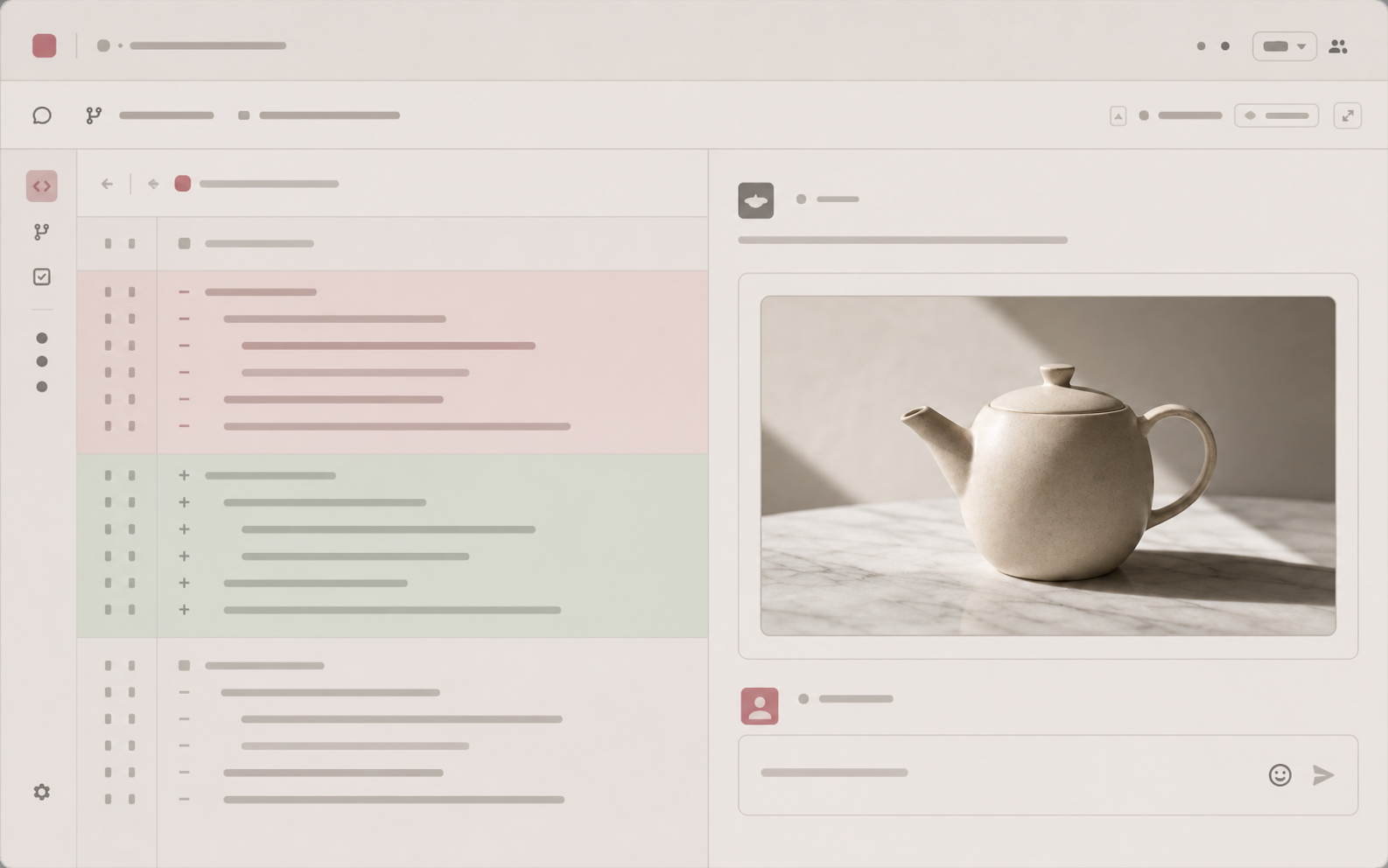
Feature plus hero in one PR
Codex finishes the new pricing page and renders the section illustration with pica. Both land in the same commit, ready for review.

Spec to motion test
Spec asks for a 3-second product reveal animation. Codex picks the right pica skill, renders the motion test, and links the mp4 in the spec doc.
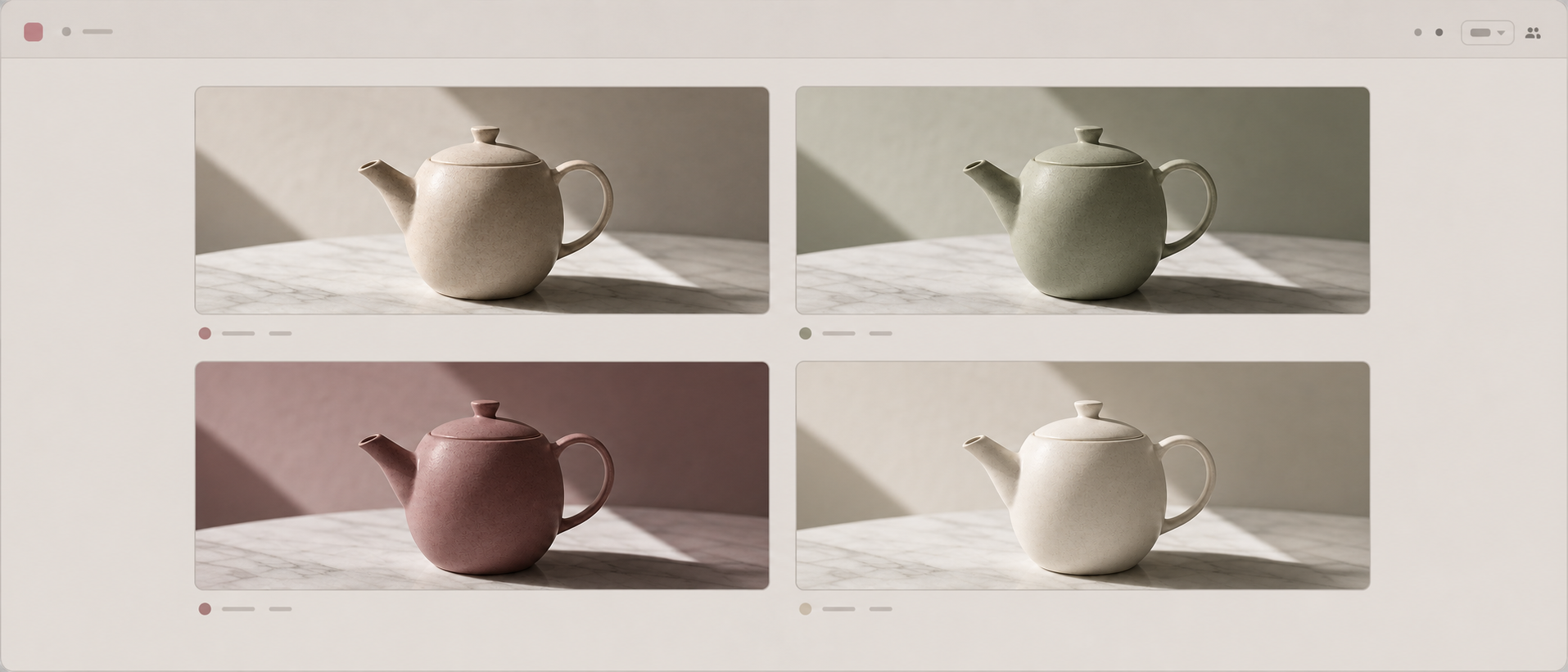
Variant grid in a single run
Ask for four hero variants in different palettes. Codex fans out, pica returns four assets, the agent presents them as a side-by-side grid for the next decision.